Season by season
December–February
Properly cold winter, often around -5°C to 5°C, with short days and possible snow. The city can feel atmospheric, while Vitosha may offer winter conditions; pavements and the yellow-brick streets can be slippery in wet or icy weather.
This is the least comfortable period for long walks and outdoor sightseeing. Mountain weather is serious and changeable, and daylight is limited.
March–April
A transitional spring: days become more workable for walking, but temperatures and rain can be variable. Parks and café life begin to revive, while Vitosha remains subject to rapidly changing mountain conditions.
Do not assume settled spring weather; bring rain layers and treat higher Vitosha plans as weather-dependent.
May–June
One of Sofia’s best windows: generally pleasant café-and-park weather, long daylight and lighter visitor pressure than major European capitals. Vitosha is useful for hikes, though conditions can change quickly.
Rain and afternoon storms remain possible, and popular mountain routes get notably busier at weekends.
July–August
Summer is usually hot. The city itself is still manageable, and Vitosha can provide a useful escape, but heat makes midday sightseeing and exposed walks less appealing.
Plan around heat, especially in the afternoon. Weekends bring pressure on mountain routes, and specific summer Opera or open-air productions can require advance booking.
September–November
September is another prime period, with comfortable café-and-park weather and generally lighter crowds. October and November turn progressively cooler, with shorter days and more variable conditions.
September is the sweet spot; by late autumn, outdoor time is less dependable and Vitosha conditions become increasingly changeable.
Events worth planning around
Sofia Film Fest · Usually March
A major annual cultural draw. Check screening schedules and book individual films or nearby central accommodation earlier if travelling specifically for the festival.
Sofia Pride · Usually June
The central march and associated programme can bring crowds and temporary route disruption around the city centre. Reserve a central stay early if your dates coincide and you want to participate.
A to JazZ Festival · Usually July
This free outdoor festival draws large evening crowds to South Park. Expect busier transit and nearby accommodation, particularly on festival nights.
Sofia Marathon · Usually October
The race brings road closures and disruptions around parts of central Sofia. Check the route before booking transfers or planning a taxi-dependent day.
Sofia Opera and Ballet summer/open-air productions · Summer dates vary
Not a single fixed festival, but the city’s consequential seasonal performance calendar. Book promptly once dates are announced if a particular opera, ballet or open-air production is central to your trip.
Getting around
Walking
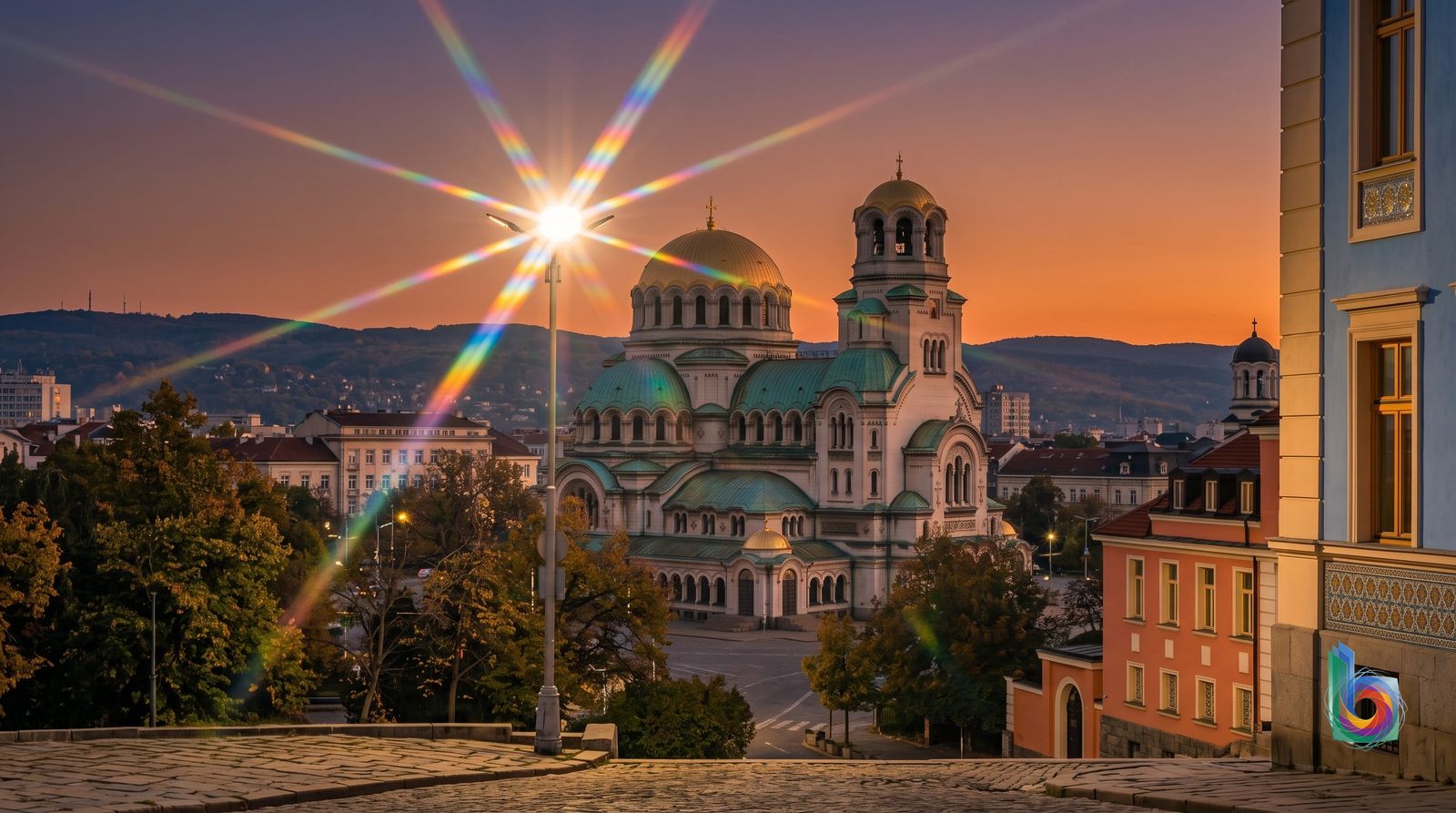
Central Sofia: Serdika/Largo, the yellow-brick government quarter, Alexander Nevsky, City Garden and Vitosha Boulevard fit into an easy sightseeing walk. Oborishte, Sofia University–Nevsky, Shishman and northern Lozenets also reward wandering.
Treat Serdika as the anchor, then walk between sights rather than repeatedly riding a stop or two. Wear shoes with grip, particularly if rain is forecast.
This is not as accessible as its compact map suggests: pavements can be broken or blocked by parked cars, and the yellow brick is slippery when wet. Walking stops being efficient in southern Lozenets, Boyana and Studentski Grad; avoid dim late-night stretches around Central Station, Maria Luiza Boulevard, Lions’ Bridge and dark parts of Borisova Garden.
Metro
The fastest default for longer hops, the airport, Central Station and the Vitosha-side districts. Serdika is the crucial interchange for the historic core; Sofia University and NDK are especially useful for the northeast and south-central districts.
Tap a contactless bank card or phone at the gate; the same payment method can also be used on onboard readers. Fares are about €0.80, with contactless spending capped at the day-pass level. Validate a paper ticket immediately if using one.
It is excellent but not a Paris-style mesh. It does not deliver door-to-door coverage in Oborishte, Shishman–Ivan Vazov, much of Lozenets, Studentski Grad or Boyana; expect a walk, tram, bus or taxi at either end. Late-night plans should not depend on it without checking the day’s operating times.
Tram, trolleybus and bus
Filling the gaps the metro leaves: reaching addresses in Oborishte, Shishman–Ivan Vazov and Lozenets, travelling through the NDK corridor, and getting to bus-led Studentski Grad or the Boyana/Vitosha foothills.
Use contactless payment on the onboard reader, or validate a paper ticket as soon as you board. Keep proof of payment: inspectors work in groups and the cited fine is €20.
Surface routes are slower and traffic-dependent, particularly at rush hour. They are essential rather than elegant in Studentski Grad and Boyana, where the lack of close metro coverage makes transfers and variable journey times part of the deal; late-night service is not a substitute for planning a ride home.
Taxi
Late arrivals, heavy luggage, a direct trip to Boyana or the Vitosha foothills, and getting home when walking or transit is poor—especially from nightlife areas or after an event at NDK.
Book through a reputable app or join an official rank. At Sofia Airport, use only the official OK Supertrans desk/rank; Terminal 1 arrivals should take the free shuttle to Terminal 2 before using the metro. Check the displayed tariff before setting off.
Touts and lookalike taxis are a real problem around the airport and station. Never accept an unsolicited ride in arrivals or around Central Station/Lions’ Bridge, and do not assume an ‘OK’ sign means it is the official operator.
Driving and rental car
Leaving Sofia for a road trip or mountain itinerary where a vehicle genuinely saves time.
For a city break, leave the car parked outside the centre and use walking plus transit. Choose accommodation with confirmed parking if you must keep one.
Do not rent solely for Sofia: traffic, difficult parking and rough or uneven street surfaces make driving needless grief. It is particularly unrewarding in the City Center, Serdika, Shishman–Ivan Vazov and around NDK.
Safety: Sofia is generally safe, but use official/app taxis only, keep bags close at transport hubs, avoid dim areas around the Central Bus/Rail Station and Lion’s Bridge late at night, and stay alert at crossings—drivers may not yield.
Book before you land
Boyana Church: this is the one sightseeing visit to plan around. Only eight people enter at once, visits are limited to 10 minutes, and it is far from the centre; reserve ahead in busy periods if a timed-entry option is offered. · Sofia Opera and Ballet performances: book as soon as your dates are fixed for a specific opera, ballet or summer open-air production. This is a performance ticket, not a generic Sofia attraction pass. · Most museums, Alexander Nevsky Cathedral, St Sophia Church and the Serdika archaeological areas do not normally justify advance booking. Sofia is not a city where you should pre-buy every sight.
- Use contactless payment for transit, but carry a little cash for small purchases and markets. Check the displayed taxi tariff before getting in; lookalike ‘OK’ taxis and airport/station touts are a real, avoidable problem.
- Keep your ticket/payment proof valid: inspectors board buses and trams in groups, are not inclined to debate, and the cited fine is €20.
- Sofia is generally safe to walk at night, but avoid the dim stretches around the Central Bus/Rail Station, Maria Luiza Boulevard, Lion’s Bridge and dark parts of Borisova Garden. Watch bags for pickpockets around transport hubs.
- Drivers do not reliably yield simply because you are at a crossing. Cross deliberately and keep watching, even where a marked crosswalk gives you priority.
- Avoid drunk, aggressive football groups and do not wear a Sofia club shirt or scarf on match days unless you know exactly which territory and fixture you are walking into.
- Bring a refillable bottle: Sofia’s identity began with its mineral springs, and the Central Mineral Baths area is worth seeing even if you do not visit the paid museum.
Worth leaving the city for
Rila Monasteryfull day — roughly 8–10 hours door to door
This is the essential escape: Bulgaria’s most famous monastery has the scale, mountain setting and painted arcades that central Sofia cannot match. Pair it with Boyana Church only on an organized full-day trip if you have limited time. The downside is that independent public-transport timing is awkward, so a tour or car is usually the practical choice.
Plovdivfull day — roughly 9–11 hours door to door by rail, bus or organized trip
Worth sacrificing a Sofia day for its genuinely different texture: a relaxed old town, Roman remains and a more complete historic-city experience than Sofia’s scattered centre. It works best for travelers who prefer streets, food and archaeology to another museum. Do not attempt it as a rushed half-day; the travel is the trade-off.
Vitosha Mountainhalf day for lower walks; full day for a serious hike
Sofia’s unfair advantage is a proper mountain immediately south of the capital. Go for a clear-weather hike, fresh air and broad views rather than treating it as a checkbox ski-resort visit. Take bus 63 from Tsar Boris III or bus 66 from Vitosha metro station; conditions can turn quickly, and this is not the choice in fog, heavy rain or when you only want urban sightseeing.
Seven Rila Lakesfull day — typically 10–12 hours door to door
If hiking is a priority, the high glacial lakes deliver a landscape Sofia cannot: this is the stronger nature day than simply staying in town. It is best tackled by organized day trip or car because the logistics are long and season-sensitive. Expect weekend crowds and do not go without checking the mountain forecast; it is a demanding full day, not a casual scenic stop.