- Pace
- A week to 10 days is enough for one island or one focused corridor, not the whole country. Two weeks can deliver a worthwhile North-and-South sampler if you use a domestic flight and keep bases limited; three weeks allows a humane self-drive pace and weather-flex days. Build slack into any plan involving Fiordland, the West Coast, alpine hikes or Cook Strait crossings.
- When to go
- March–April is the best all-round window: summer warmth lingers, roads and rooms ease off, and wine regions are at their best. December–February delivers beaches, long daylight and full hiking access, but Christmas through January is the country’s hardest and most expensive period to book. Winter is for skiing, hot pools and moody landscapes rather than a general road trip; spring is good value if you can absorb fast-changing mountain weather.
- Daily budget
- NZ$300–475
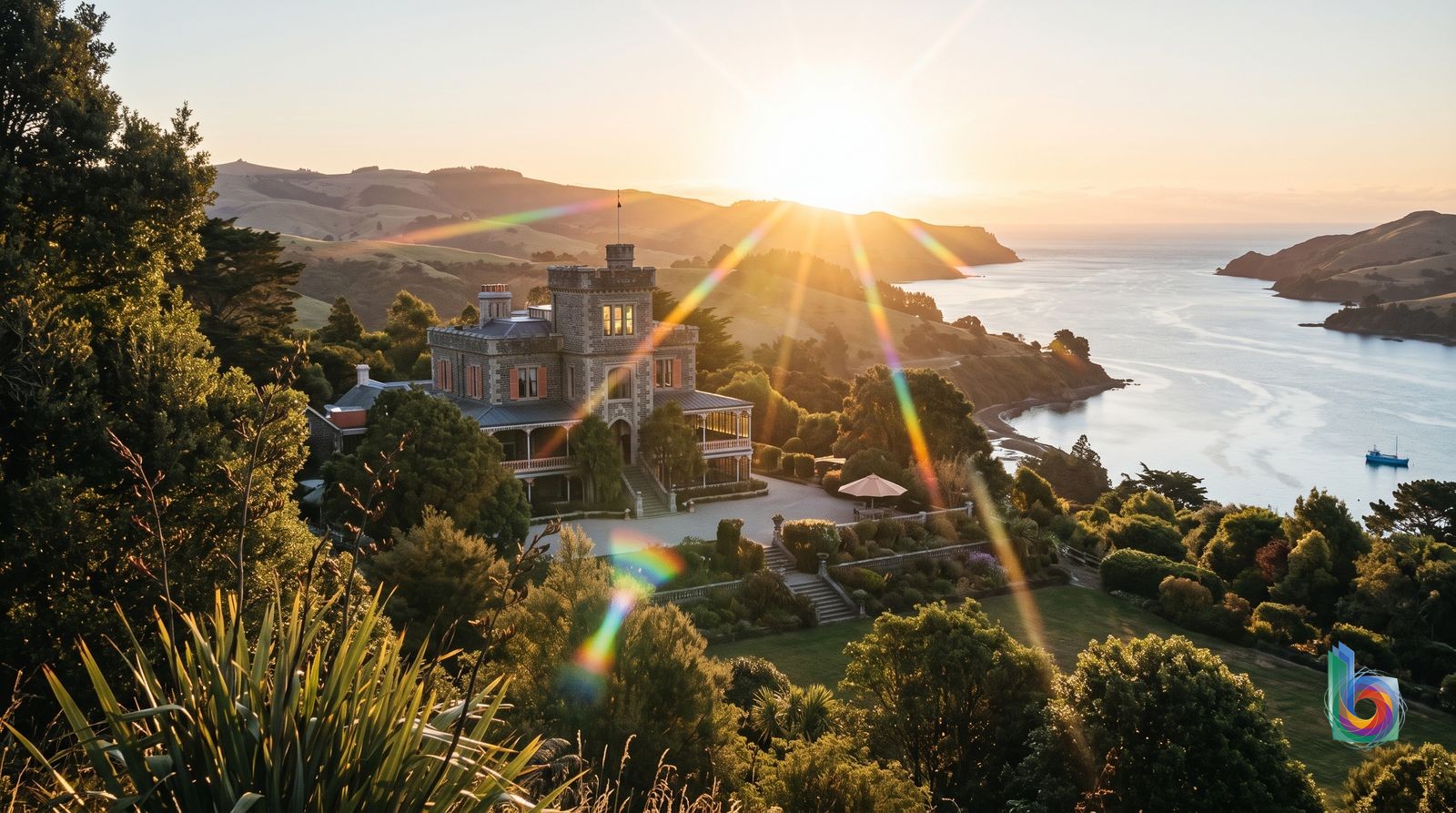
Aotearoa New Zealand is a self-drive, weather-led outdoor trip wrapped around Māori culture, wine regions and a serious café scene—not a country to rush through collecting viewpoints. Its wilderness is unusually accessible, but the practical reality is two distinct islands split by Cook Strait, slow winding roads and mountain weather that can rewrite a day’s plan.
Known for
- Alpine scenery, lakes and fiords
- Geothermal and volcanic landscapes
- Tramping, Great Walks and accessible wilderness
- Adventure sports around Queenstown and Wānaka
- Māori culture and history
- Wine regions, café culture and The Lord of the Rings landscapes
Where to go
Queenstown, Wānaka and Central Otago
1Base · 4–5 days
Queenstown, Wānaka and Central Otago
The most efficient concentration of alpine scenery, lake time, hikes, adventure activities and Pinot Noir. Queenstown is a superb base despite the crowds; use Wānaka or Gibbston to get some breathing room.
first-timersadventure travellersskierscouples
Explore Queenstown, Wānaka and Central Otago Fiordland: Te Anau, Milford Sound and Doubtful Sound
2Fiordland: Te Anau, Milford Sound and Doubtful Sound
Base · 3 days
New Zealand's most dramatic wet-weather landscape: sheer fiords, waterfalls, rainforest and boat access to places roads cannot tame. Base in Te Anau—Milford is too far and too exposed to treat as a casual Queenstown day trip.
first-timersnature loversphotographers
Christchurch, Tekapō and Aoraki/Mount Cook
3Christchurch, Tekapō and Aoraki/Mount Cook
Base · 2–4 days
The cleanest South Island alpine corridor, moving from a practical city gateway through turquoise Mackenzie lakes to accessible walks under Aoraki. Tekapō is worth the night sky, but Mount Cook needs advance accommodation planning.
first-timersphotographersstargazers
Rotorua, Taupō and Tongariro
4Rotorua, Taupō and Tongariro
Base · 3–4 days
This is the North Island's strongest mix of geothermal terrain, Māori-led cultural experiences, lake country and volcanic hiking. Give Tongariro a weather buffer; the Alpine Crossing is a serious mountain day, not a quick attraction.
first-timersactive travellersfamilies
Auckland and Waiheke Island
5Auckland and Waiheke Island
Base · 2 days
Use Auckland for its Pacific-Asian food scene, harbour setting and an easy landing after a long flight, then take the ferry to Waiheke for beaches and proper vineyard lunches. One or two nights is generally enough before heading out.
first-timersfoodiesshort-break travellers
Wellington
6Wellington
Base · 2–4 days
The country's best compact city stop: Te Papa, serious coffee, bars and neighbourhood restaurants rather than generic sightseeing. It also works naturally as the North Island endpoint or Cook Strait ferry link.
culture-focused travellersfoodiescar-free travellers
Marlborough, Kaikōura and the Top of the South
7Marlborough, Kaikōura and the Top of the South
Base · 3 days
A rewarding coastal transition between islands: Blenheim sauvignon blanc, Marlborough Sounds seafood, and Kaikōura's whales, seals and crayfish. Kaikōura is usually an excellent overnight rather than a destination to overstay.
foodieswine travellerswildlife travellers
Nelson–Tasman and Abel Tasman National Park
8Nelson–Tasman and Abel Tasman National Park
Base · 3 days
The South Island's soft-edged nature stop: golden bays, water taxis, sea kayaking and coastal walking without alpine punishment. It is deliberately off the Christchurch–Queenstown line, so include it only when beach and hiking time matter.
familieskayakerswalkers
Northland and the Bay of Islands
9Northland and the Bay of Islands
For warm-water beaches, sailing, island-studded harbours and the foundational history around Waitangi. It needs a car and at least three nights from Auckland, so it does not belong in a rushed whole-country sampler.
beach travellersfamilieshistory travellers
Hawke's Bay and Napier
10Hawke's Bay and Napier
New Zealand's best slow food-and-wine detour: Syrah, Chardonnay, orchard produce, vineyard lunches and Art Deco Napier. Choose it deliberately as a rest-and-eat region rather than forcing it into a north–south drive.
wine travellersfoodiescouples
Dunedin, Otago Peninsula and the Catlins
11Dunedin, Otago Peninsula and the Catlins
Base · 3 days
A less polished, more wildlife-heavy South Island: albatross, yellow-eyed penguins, seals, strong beer and a genuinely lived-in city. The Catlins reward slow driving and patience with weather, making this better for a longer second visit.
wildlife travellersphotographersrepeat visitors
Don't miss
1
Museum of New Zealand Te Papa TongarewaNorth Island
Te Papa is the country’s essential national museum: its strongest galleries connect natural history, Pacific and Māori culture, colonial history and contemporary New Zealand. Give it a focused half-day rather than attempting every floor, and use it to add context before or after the outdoors-heavy parts of a trip.
2
Milford Sound / PiopiotahiSouth Island
Milford is the country’s most immediately cinematic fjord landscape: sheer cliffs, waterfalls and weather are the point, not just the cruise itself. An overnight in Te Anau makes for a far better visit than a rushed Queenstown day trip, though the latter is viable when time is tight.
3
Abel Tasman National Park (Tourist attraction)South Island
Abel Tasman delivers the South Island’s most accessible combination of golden beaches, clear water and coastal forest. The best way to use it is a water-taxi-assisted walk or kayak day from Mārahau or Kaiteriteri, rather than trying to cover the whole coast on foot.
4
Hooker Valley trackSouth Island
This comparatively easy alpine walk gives a high return for effort: glacier lake, swing bridges and direct views toward Aoraki/Mount Cook. It is the classic first-timer hike in the national park, but conditions can change quickly and parts of the route have occasionally been affected by flood damage.
5
QueenstownSouth Island
Queenstown is the South Island’s adventure and scenery hub, with Lake Whakatipu, the Remarkables and easy access to major drives and day trips. Stay two or three nights if you want to add an activity or wine-country outing; otherwise it is still a highly effective overnight stop on a self-drive route.
6
Fiordland National ParkSouth Island
Fiordland is the vast wilderness behind Milford and Doubtful Sounds, where the scale of the southwest matters as much as any single viewpoint. Use Te Anau as the practical base for Milford, short walks and, if time permits, a Great Walk or Doubtful Sound excursion.
Getting your bearings
Pins are the top attractions, ranked by the corner badge — click one for details.
The mental map
Treat the North Island / Te Ika-a-Māui and South Island / Te Waipounamu as separate trips before trying to combine them. The North is for Auckland and Wellington, Māori-led experiences, geothermal and volcanic country, beaches and wine; the South is for the Southern Alps, lakes, fiords, long scenic drives, hiking and Pinot Noir. Within either island, choose a corridor rather than trying to loop through every headline destination: distances are modest on a map but driving is not fast.
When to go
March–April is the best all-round window: summer warmth lingers, roads and rooms ease off, and wine regions are at their best. December–February delivers beaches, long daylight and full hiking access, but Christmas through January is the country’s hardest and most expensive period to book. Winter is for skiing, hot pools and moody landscapes rather than a general road trip; spring is good value if you can absorb fast-changing mountain weather.
Pacing a visit
A week to 10 days is enough for one island or one focused corridor, not the whole country. Two weeks can deliver a worthwhile North-and-South sampler if you use a domestic flight and keep bases limited; three weeks allows a humane self-drive pace and weather-flex days. Build slack into any plan involving Fiordland, the West Coast, alpine hikes or Cook Strait crossings.
Book before you land
DOC Great Walk hut and campsite bookings, especially Milford Track, Routeburn Track, Kepler Track and Abel Tasman Coast Track · Milford Sound / Piopiotahi cruise departures in summer, and all Milford overnight cruises · Cook Strait ferry vehicle and passenger crossings for December–January, school holidays and any fixed-date inter-island itinerary · Abel Tasman peak-season beachfront accommodation and water-taxi connections if dates are fixed · Tongariro Alpine Crossing shuttle or guided-walk transport on the date you intend to walk
Getting in
AKLAuckland Airport
The main long-haul gateway and the sensible arrival point for the North Island. Use it for Auckland, Northland, Rotorua and domestic connections; do not collect a car and immediately attempt a major rural drive after a long-haul flight.
CHCChristchurch Airport
The most useful South Island international gateway, with direct trans-Tasman and selected long-haul services plus strong domestic links. It is the practical start for Canterbury, Aoraki/Mount Cook, Tekapō, Kaikōura and a one-way South Island road trip.
WLGWellington Airport
A compact domestic hub with trans-Tasman links, best used for a North Island itinerary ending in the capital or for connecting onward by air. It is also the road-and-ferry hinge between islands, though flying is often the better use of limited time.
ZQNQueenstown Airport
A high-value South Island gateway for Australia services and domestic flights, especially for short Queenstown, Wānaka, Central Otago or Fiordland trips. Flights and rental cars are expensive in ski season and the summer peak.
Before you go
Questions worth settling
How many days do I need for a first trip to New Zealand?
Allow 7–10 days for one island or one focused corridor; that is not enough to do the whole country well. Two weeks can work for a North-and-South sampler if you fly between islands and limit bases, while three weeks allows a more humane self-drive pace with weather-flex days.
Should I visit the North Island, the South Island, or both?
Treat them as separate trips before combining them: choose the North for Auckland, Wellington, Rotorua, Māori-led experiences and volcanic country; choose the South for the Southern Alps, lakes, fiords, hiking and Pinot Noir. With only a week, pick one; with two weeks, fly between islands rather than relying on a ferry-and-drive day.
Where should I base myself on a first South Island trip?
A strong first-time corridor is Christchurch, Tekapō and Aoraki/Mount Cook, then Queenstown or Wānaka, with Te Anau for Fiordland. Base in Te Anau for Milford Sound rather than treating it as a casual day trip from Queenstown, and book Mount Cook accommodation early.
What is the best North Island itinerary for a first visit?
Start with one or two nights in Auckland, then combine Rotorua, Taupō and Tongariro for geothermal landscapes, Māori culture and volcanic hiking, finishing in Wellington if time allows. Add Northland and the Bay of Islands only if you have at least three nights from Auckland; do not force Hawke’s Bay into a rushed north–south drive.
Do I need a visa or NZeTA to enter New Zealand?
Australian citizens can enter, live and work without a visa; most other short-stay visitors need either an NZeTA, if eligible for visa waiver, or a Visitor Visa. Confirm your passport’s current requirements, fees and any International Visitor Conservation and Tourism Levy with Immigration New Zealand before booking.
Do I need to rent a car, and is driving easy?
A rental car is usually the most practical way to reach scenery outside Auckland, Wellington and central Christchurch, but driving is slower and more tiring than distances suggest. Drive on the left, avoid ambitious post-flight drives, and treat 200–300 km as a substantial South Island day because of winding roads, weather and stops.
When is the best time to visit New Zealand?
March–April is the best all-round window, with lingering warmth, quieter roads and strong wine-country travel. December–February is best for beaches and hiking but mid-December through January is the busiest and most expensive period; winter suits skiing around Queenstown and Wānaka rather than a general road trip.
What should I book well ahead?
Book DOC Great Walk huts and campsites—especially Milford, Routeburn, Kepler and Abel Tasman—before locking in the rest of the trip. Also reserve Milford Sound cruises, Tongariro Alpine Crossing transport, peak-season Abel Tasman water taxis and lodging, Cook Strait ferry crossings, and cars and accommodation for Queenstown, Wānaka, Mount Cook, Tekapō and Fiordland in summer or ski season.
Known for
- Alpine scenery, lakes and fiords
- Geothermal and volcanic landscapes
- Tramping, Great Walks and accessible wilderness
- Adventure sports around Queenstown and Wānaka
- Māori culture and history
- Wine regions, café culture and The Lord of the Rings landscapes


