Season by season
January–March
Winter is generally mild in Asheville, but short-lived snow and ice can affect mountain roads and close sections of the Blue Ridge Parkway. City weather and higher elevations can differ sharply.
Cold or wet days are possible, daylight is shorter, and a scenic Parkway or high-elevation itinerary cannot be assumed open.
April–May
Spring improves walking weather and mountain access; late April through May is one of the year’s best windows for combining downtown with outdoor time. Rain remains possible and elevation brings quick temperature changes.
Early April can still feel transitional, and mountain weather may be cooler and less settled than in town.
June–August
Summer is warm to hot and humid, with frequent afternoon thunderstorms. Bring a rain layer and expect conditions to change quickly at elevation.
Humidity, storm risk and wet trails can make ambitious all-day hiking or scenic-driving plans less pleasant. Build in flexibility rather than scheduling a tightly timed mountain day.
September–early November
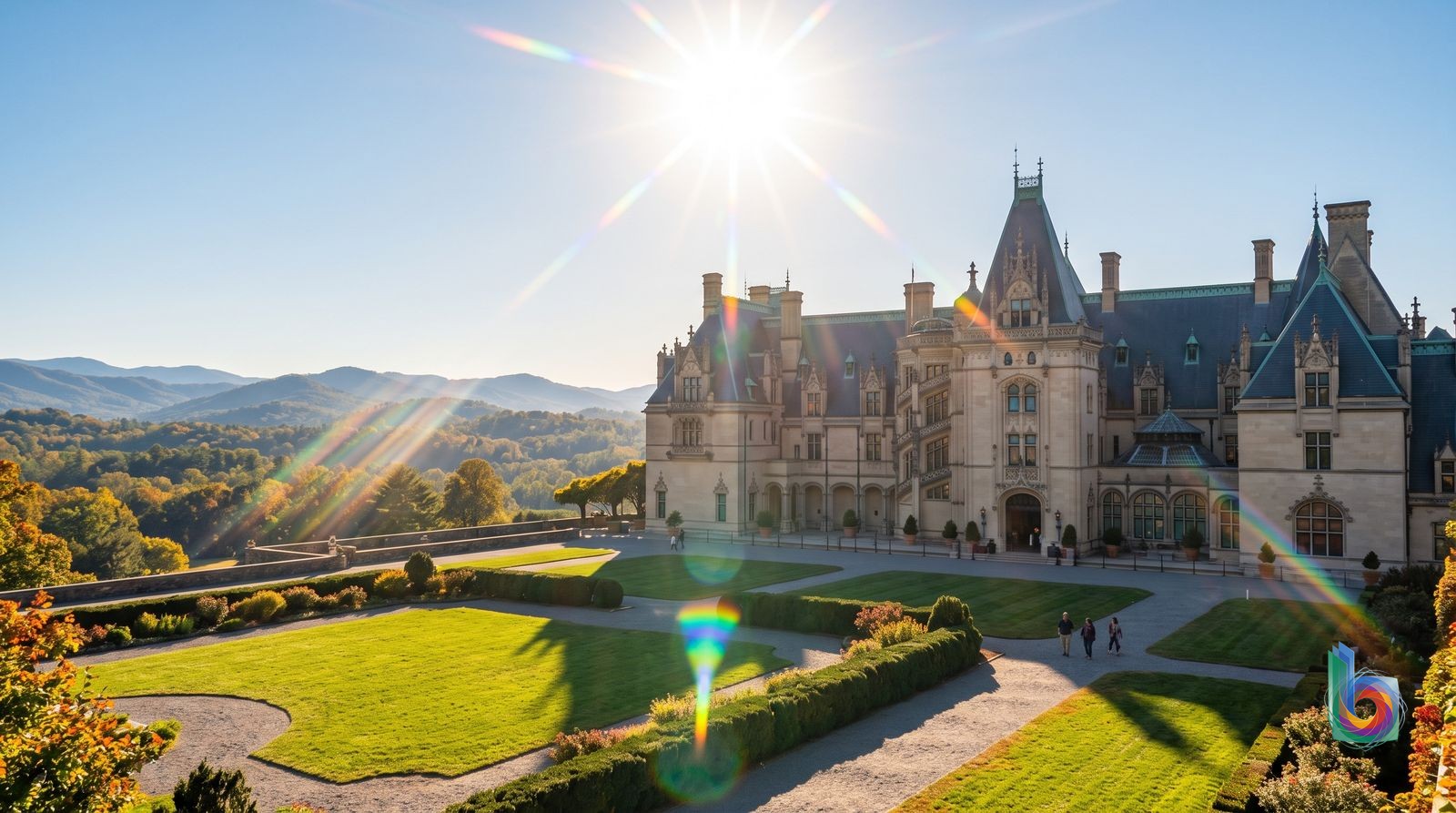
This is the other prime window: generally favorable walking weather and strong mountain access. October foliage is exceptionally beautiful and draws heavy leaf-looking traffic.
October is not a quiet bargain period: lodging is expensive, Parkway overlooks are crowded, and Biltmore admission should be reserved early. Check current Parkway status rather than assuming every scenic route is open.
Mid-November–December
Late fall turns toward winter, while Asheville’s holiday season makes Biltmore a major draw. Temperatures can be cool and mountain-road conditions become less dependable.
Holiday demand distorts hotel prices and Biltmore availability; reserve lodging and timed estate entry well ahead. Snow or closures can still affect mountain plans.
Events worth planning around
Peak fall foliage season · Usually October; timing varies with weather and elevation.
This is Asheville’s most consequential seasonal crowd period rather than a single festival. Expect expensive lodging, busy Blue Ridge Parkway overlooks and strong demand for Biltmore timed entry; book rooms and key tickets early.
Christmas at Biltmore / Candlelight Christmas Evenings · Holiday season, generally late fall through December; confirm the year’s schedule.
Biltmore availability tightens substantially during the holiday period. Secure lodging first, then reserve timed admission—especially for Candlelight Christmas Evenings—several weeks ahead rather than expecting a spontaneous visit.
Getting around
Walking
Downtown Asheville: Pack Square, Grove Arcade, the Basilica, galleries, restaurants and the Art Deco core. South Slope is an easy add-on from downtown for an evening of breweries; Montford works for reasonably mobile guests staying near its southern edge.
Park once in a downtown deck or legal space and do the core on foot. A complete downtown loop is usually quicker than waiting for a bus; use rideshare for the return if you have been drinking or do not want the uphill walk.
Downtown is compact but hilly. Walking becomes much less useful in North Asheville/Grove Park, West Asheville beyond pieces of Haywood Road, Biltmore Village, Kenilworth, East Asheville and South Asheville. Montford’s return walk is uphill and can feel dark on quiet blocks.
ART city bus
Targeted trips from downtown, including the airport connection, or a planned ride between downtown and parts of West, North, East or South Asheville and the Biltmore Avenue corridor.
Buses radiate from ART Station, 49 Coxe Avenue. Standard fare is $1; carry exact cash because drivers do not make change. Check the timetable for the specific route before leaving—this is a planned-trip system, not turn-up-and-go transit. Bike racks are available on buses.
Frequency thins sharply outside downtown, and service should not be assumed on Sundays; it is especially poor for late-night returns from South Slope, the River Arts District, West Asheville or Biltmore Village. ART is not a substitute for a car on a Biltmore-and-Blue-Ridge-Parkway itinerary.
Rideshare or taxi
Evenings out, airport transfers when Route 170 does not fit, one-off trips to Biltmore Village or the River Arts District, and visitors staying in hilly North Asheville/Grove Park without a car.
Uber, Lyft and taxis are available. Use them rather than moving a parked car between downtown sights or driving after drinks; they are particularly sensible for a South Slope-to-hotel ride after buses have thinned out.
They are convenient rather than cheap for repeated cross-town trips. A River Arts District, East Asheville or South Asheville base can turn a car-free trip into a steady stream of rideshare fares, especially after dark.
Rental car or personal car
Biltmore Estate, the Blue Ridge Parkway, the North Carolina Arboretum, trailheads, the River Arts District, and serious mountain day trips. It is the realistic default for East Asheville, South Asheville/Biltmore Park, North Asheville/Grove Park and most estate-and-Parkway stays.
Use the car for the spread-out parts of the trip, then leave it parked downtown and walk. Check Blue Ridge Parkway road status before setting out, particularly in winter or changeable mountain weather.
Do not use it to bar-hop downtown or shuttle between nearby core sights: paid parking and congestion make that needlessly frustrating. Peak foliage weekends bring heavier traffic around the Parkway, Biltmore Village and the estate; mountain roads can close in winter.
Bicycle
Confident riders making a short, weather-dependent trip, especially if combining a bike ride with ART’s bus-mounted racks.
Bring or rent a bike only if you are comfortable using hills and sharing roads; ART bus racks can help bridge a longer cross-town leg.
Asheville’s grades, rain and fragmented pedestrian-and-street connections make a conventional bike an athletic tool, not casual visitor transport. It is a poor first choice for Grove Park’s hills, the spread-out River Arts District, or suburban East and South Asheville.
Safety: Asheville is generally easygoing, but park once and use rideshare after drinking, and check Blue Ridge Parkway and mountain-road conditions before heading out—weather can change quickly at elevation.
Book before you land
Biltmore Estate timed admission: book at least 7 days ahead as the estate itself recommends; for October foliage weekends, major holidays, and Christmas at Biltmore/Candlelight Christmas Evenings, book several weeks ahead and secure lodging first. · Grandfather Mountain, if it is part of your mountain day trip: advance online tickets are strongly recommended, especially for fall weekends. It is not in Asheville, so do not sacrifice a first city day for it unless mountain scenery is your priority. · Ticketed seasonal performances and festivals—such as Brevard Music Festival or Flat Rock Playhouse—once dates are set. These are destination-specific trips, not things to reserve speculatively. Most downtown galleries, architecture stops, and breweries do not merit advance attraction tickets.
- Asheville is much more than its brewery-and-downtown image: downtown is walkable, but the estate, parkway, rivers, and trailheads are spread out. Plan one major paid sight or one proper outdoor outing per day, not both plus a long scenic drive.
- Carry exact fare for ART buses: the $1 fare is cash-based and drivers do not make change. Check the specific route timetable before relying on it, particularly for airport arrivals and Sundays.
- Mountain weather is not city weather. Pack a rain layer in summer, expect quick temperature changes at elevation, and check road conditions before committing to the Blue Ridge Parkway or a high-elevation hike.
- Downtown parking is paid during posted hours and enforcement is real. Park once in a deck or legal space, then walk; evening drinking-and-driving is an especially unnecessary risk when rideshare is available.
- The Basilica of St. Lawrence and other architectural highlights are active places of worship. Visit respectfully, and do not treat services or private events as sightseeing access.
- Tipping follows standard US practice: budget roughly 18–22% at sit-down restaurants and bars, plus sales tax on the listed price. Asheville is not a bargain city anymore, especially in fall.
Worth leaving the city for
Blue Ridge Parkway: a short, weather-dependent mountain driveHalf day for a focused out-and-back; full day if you add a substantial hike. A car is essential.
This is the one excursion that genuinely changes the scale of an Asheville trip: overlooks, high-elevation air and access to trailheads rather than another round of downtown shops and breweries. Do not treat it as a scenic commute with guaranteed views—fog, storms and seasonal road closures can erase the point. Pick one direction and one hike or overlook, not an all-day attempt to ‘do the Parkway.’
Brevard and Pisgah National ForestFull day; roughly 1 hour each way to Brevard before time in the forest. Drive.
Go for the forest, not because Brevard itself out-charms Asheville. The combination of Pisgah hiking and waterfalls—especially the Looking Glass Falls area—delivers the waterfall-and-woods day Asheville cannot provide within its urban core. In summer, this is a better use of a rental car than chasing another city attraction; in heavy rain, trails and creek crossings demand caution.
DuPont State Recreational Forest, paired with HendersonvilleFull day; allow about 1–1.5 hours each way depending on the trailhead. Drive.
DuPont is the better waterfall outing for travelers who want a proper walking day rather than a windshield tour: forest trails and major falls make it feel like a destination, and Hendersonville is a sensible lunch or cider stop on the way back. It beats an extra Asheville day only if you actually want to hike; otherwise, stay in town.
Chimney Rock State Park and Hickory Nut GorgeFull day; about 30 minutes’ drive each way in ideal conditions, plus time for the park and trails. Drive.
For an immediate, dramatic payoff, Chimney Rock’s views over Hickory Nut Gorge are more theatrical than most accessible Asheville-area outings, with several trails spanning easy to strenuous. The honest catch is that it is privately operated and comparatively expensive; this is for the view and the hike, not a bargain nature stop.
Hot Springs and the Appalachian TrailFull day; roughly 45 minutes each way by car, plus hiking or a reserved soak.
A small mountain town with the Appalachian Trail passing through it is a real change of scene, and it works particularly well after several days of Asheville’s polished downtown. Go to walk a section of trail and linger by the river; private hot-springs soaking is an optional add-on, not the reason to rush through the trip. It is not a substitute for a serious Great Smoky Mountains hiking day.
Great Smoky Mountains National ParkFull day, and often a long one; driving time varies greatly with the chosen entrance and trailhead. A car is essential.
This is worth the longer haul for travelers whose priority is big-country hiking, not Asheville’s food, architecture and arts. It is the country’s most visited national park for a reason, but that also means popular areas can be busy; choose a trail suited to your ability rather than trying to cover the park in a single day.