Eat
How to eat here
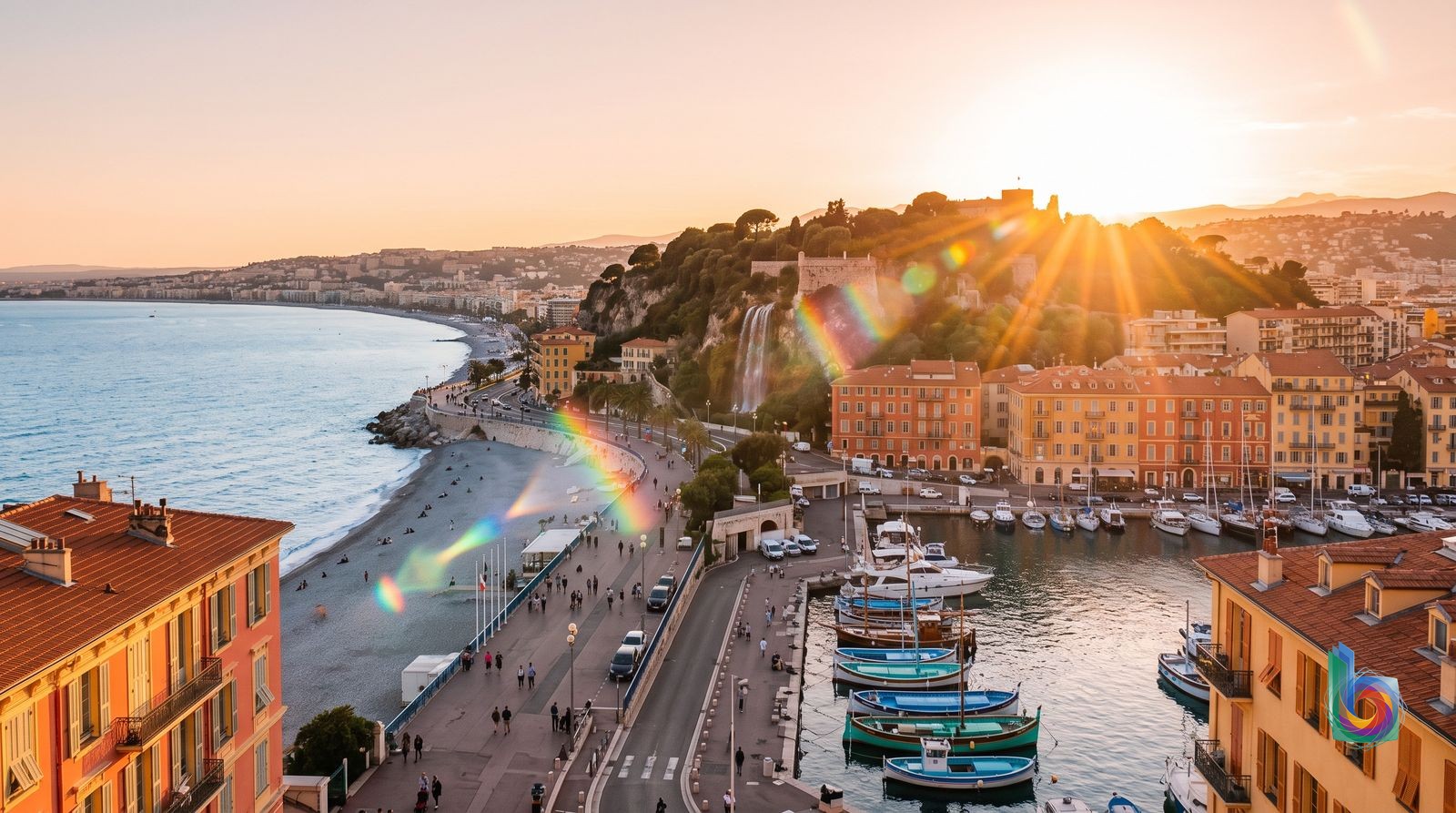
Eat Nice as a Nissart city, not a generic Provençal resort: the essential register is chickpea flour, olive oil, anchovy, salt cod, vegetables and Italian-inflected pasta, best sampled casually as much as in formal dinners. Start around Vieux Nice and Cours Saleya for market energy and classic snacks, but do not assume every terrace in its most obvious lanes is good; Libération is the better bet for everyday market life and value, while Port Lympia/Garibaldi has a lively dining scene that can be fashionable and expensive.
Socca — a hot, peppery chickpea pancake, ideally eaten straight from the oven as a snack rather than treated as a sit-down starter. · Pan bagnat — Nice’s olive-oil-soaked round sandwich, built around salade niçoise ingredients; an excellent market or beach lunch. · Salade niçoise — seek the local, ingredient-led version: tomatoes, raw vegetables, eggs, olives and anchovy or tuna, not a cooked-vegetable composition drowned in dressing. · Pissaladière — an onion tart with anchovies and olives, reflecting Nice’s Ligurian/Savoyard-Mediterranean identity. · Petits farcis — small vegetables stuffed with a seasoned meat-and-herb filling. · Daube niçoise — slow-cooked beef, often served with pasta or gnocchi; a better choice when a cooler evening calls for something more substantial than seafood and salads. · Ravioli niçois and other Italianate pasta dishes, particularly those using Swiss chard, ricotta or daube. · Tourte de blettes — a distinctive sweet-and-savory Swiss-chard tart, sometimes with pine nuts and raisins. · Estocaficada — a traditional salt-cod preparation; less ubiquitous than socca, but a specifically Niçois dish worth ordering when it appears.
- Use Cours Saleya in Vieux Nice for a morning or lunch-time market wander, but buy and eat with discernment: the market is a genuine draw, while the surrounding most-visible terraces include plenty aimed squarely at visitors.
- For a more everyday, better-value food neighborhood, make time for Libération and its market. It is less scenic than the Old Town, but that is precisely the point for shoppers and longer-stay travelers.
- Avoid choosing solely by a sea view on the Promenade: the central beachfront has convenient restaurants, but those nearest the water can be priced for location rather than cooking. The same caution applies to the most obvious Old Town lanes.
- Port Lympia and Place Garibaldi are strong for an evening meal after the Old Town, with more local momentum and room to sit than Vieux Nice; still, fashionable harbor-side addresses are not automatically the best value.
- For dinner at a restaurant you particularly want, reserve—especially on weekends, in summer, and around Vieux Nice, Garibaldi and the Port. Casual snack foods such as socca and pan bagnat are best approached opportunistically.
- Keep French rhythms in mind: lunch is generally a defined midday service, while dinner often begins later than many visitors expect. Check the day’s service hours rather than assuming an all-afternoon kitchen, particularly outside the tourist core and in quieter districts such as Libération or Cimiez, where choice is thinner at night than central Nice.