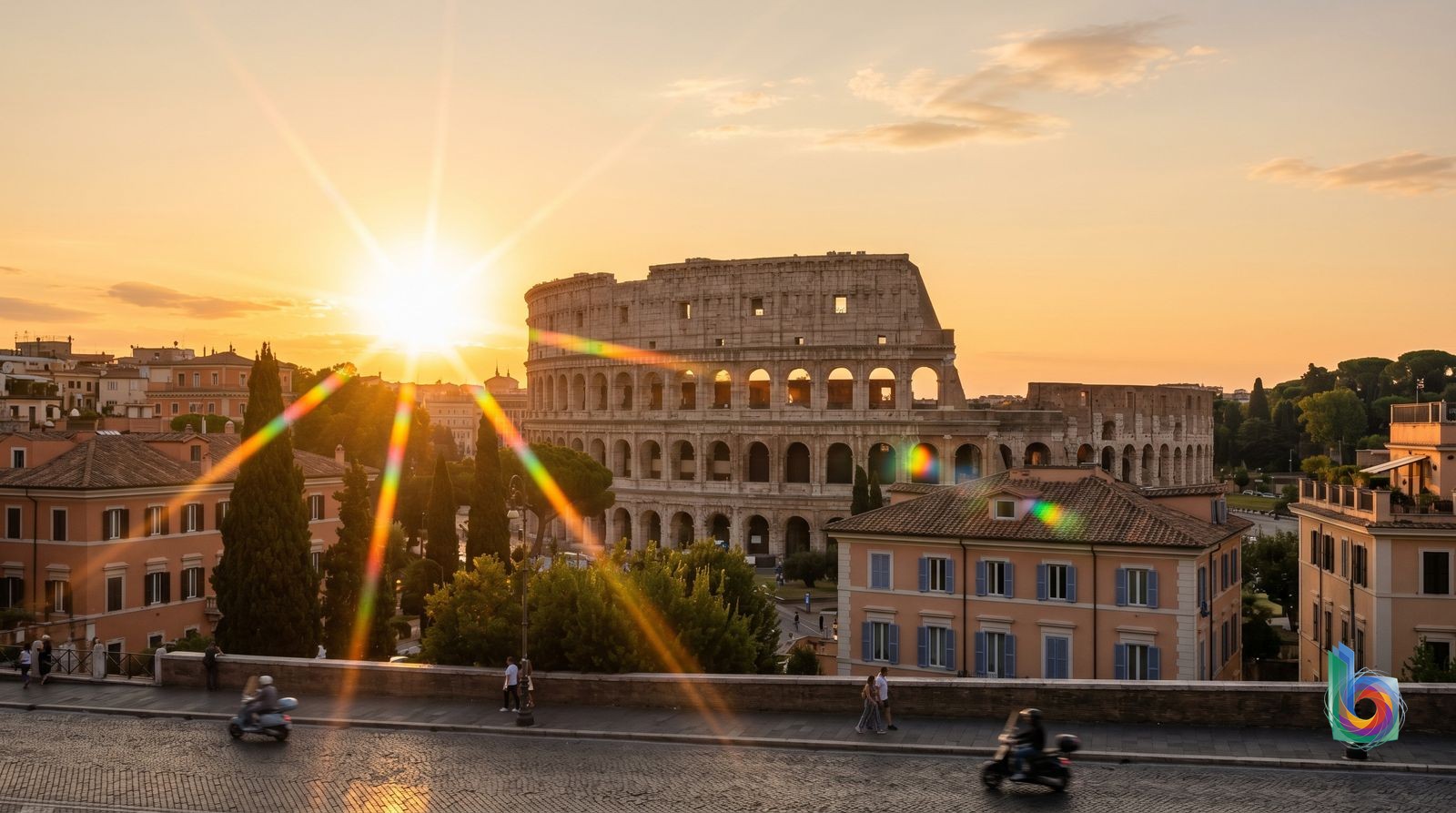
Is three days enough for a first visit to Rome?
Yes, if you prioritize rather than try to see every church and ruin. Three days can cover ancient Rome, the Vatican, Galleria Borghese, and the historic-centre walk; a fourth day makes room for the Appian Way, Baths of Caracalla, or a day trip.
Which tickets should I book before I arrive?
Book the Colosseum/Roman Forum/Palatine timed entry, Vatican Museums, and Galleria Borghese before finalizing the itinerary; these are the visits most likely to sell out. Reserve the Pantheon too if you need a specific time, especially in busy periods.
Should I put the Vatican Museums and St. Peter’s Basilica on the same day?
Yes, for most first-time visitors, but make the Museums the only major timed anchor and leave a lunch break before St. Peter’s. Basilica access is free but security lines and ceremonies can make timing unpredictable.
Is it worth staying near Termini?
It is worthwhile for rail day trips, late arrivals, early departures, and lower prices, but it is not Rome’s most atmospheric base. Choose a hotel a few blocks away from the scruffiest station edges and use normal crowd-awareness at night.
Can I rely on public transport to see the historic centre?
Not entirely. Metro A and B are excellent for longer jumps, but the Pantheon, Piazza Navona, Trevi, and many central lanes are best reached on foot, with buses used selectively when fatigue or weather calls for them.
Should I take a day trip on a short first visit?
Not if you have only one to three days: Rome’s own essentials deserve the time. With four or more days, Ostia Antica is the most natural ancient-Rome extension; Tivoli is better as a full day when you want villas rather than another urban monument circuit.