Season by season
April–May
A useful shoulder period, often with less holiday pressure than summer; north-shore rain showers remain normal and ocean conditions can still vary quickly.
Do not equate shoulder season with dry weather or universally calm water.
June–September
Warmer, generally drier-feeling conditions and often calmer north-shore seas make this the strongest period for beach time when daily conditions cooperate.
Summer and school-holiday demand bring more traffic, fuller accommodation and busier parking; late-summer tropical weather can disrupt plans.
October–November
A quieter transition season with warm weather, green landscapes and more frequent rain or changing surf as winter approaches.
Beach and ocean plans become less reliable, so retain an inland or garden alternative.
December–March
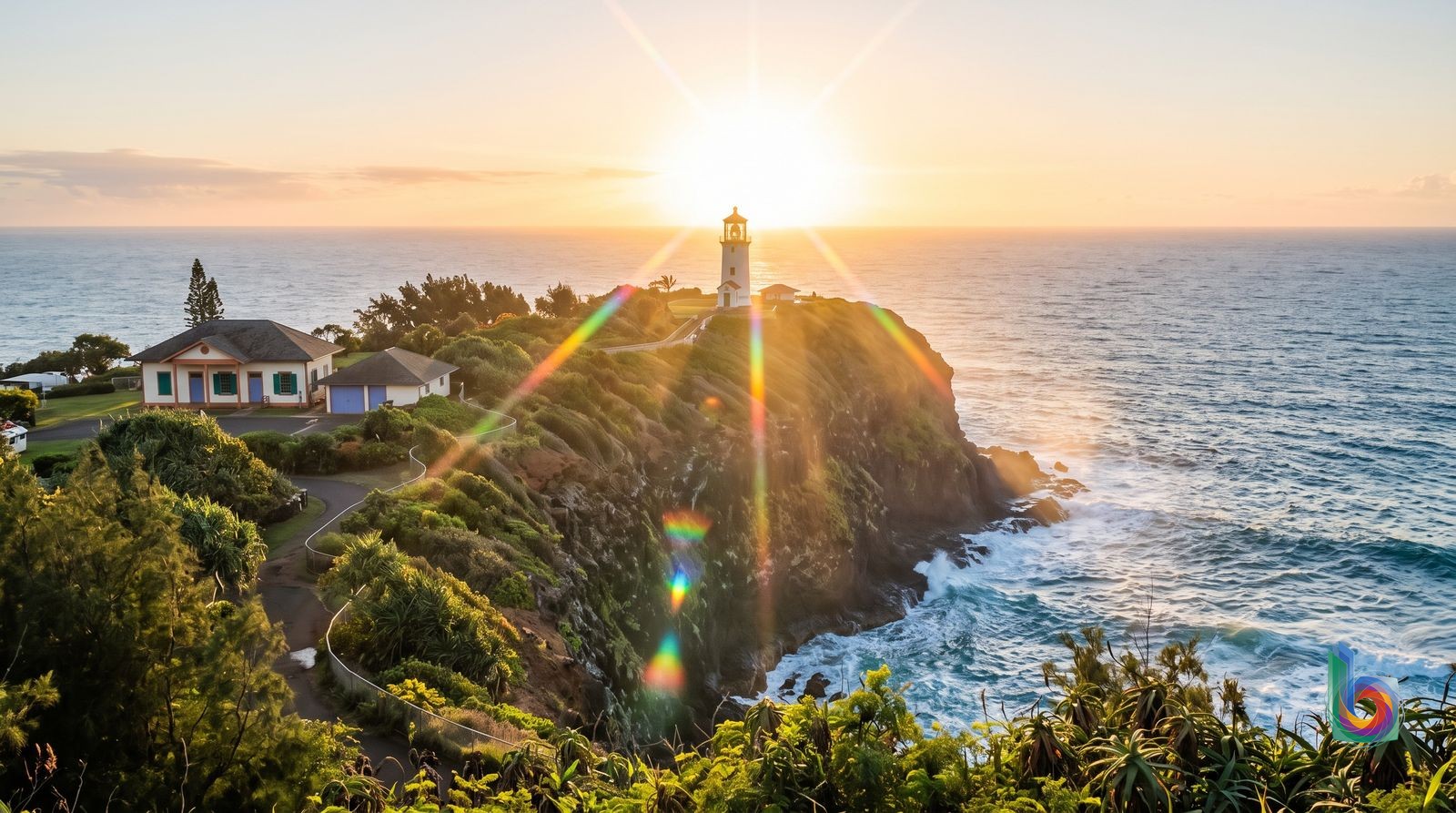
The north shore is wetter and can have powerful surf, but the coast is lush and seasonal whale sightings may be possible from Kīlauea Point.
Holiday crowds and accommodation demand rise, while rough seas can rule out swimming and make exposed beach visits less appealing.
Events worth planning around
Humpback whale season · Usually December–April
Possible offshore sightings add value to Kīlauea Point National Wildlife Refuge, but they are never guaranteed; bring binoculars and do not plan the trip around a sighting.
Getting around
Rental car
Nearly every first visit: linking Kīlauea Point, beaches, Na 'Āina Kai and Hanalei at your own pace.
Collect a car at Līhuʻe Airport if flying in, keep beach gear and water in the vehicle, and check refuge hours and surf conditions before setting out.
Parking and narrow north-shore roads slow plans; never leave valuables visible in a parked vehicle.
Walking
The short paved route within Kīlauea Point National Wildlife Refuge, beach walks, and the small amount of sightseeing once you have parked.
Wear secure footwear for Kauapea (Secret) Beach's steep access and carry water rather than assuming services are nearby.
The sights are not connected by practical sidewalks, so walking is not a substitute for a vehicle between stops.
Taxi or rideshare
A one-way airport transfer or a limited outing when a rental car is not possible.
Arrange return transport in advance and confirm pickup coverage before being dropped at a beach or refuge.
Availability is thin outside main visitor areas and wait times or return fares can make this unsuitable for a full sightseeing day.
Safety: North-shore surf and currents can be serious: enjoy Kauapea (Secret) Beach and Kahili (Rock Quarry) Beach from shore when conditions are doubtful, and never enter the water simply because others are doing so.
Book before you land
Hawaiʻi Volcanoes National Park does not ordinarily require a timed attraction reservation for normal entry; buy/pay the entrance pass and check same-day eruption and road-closure notices instead. · Volcano House lodging and other Volcano-area accommodation: book well ahead for summer, holiday weeks, and any period of sustained visible eruption. · Commercial helicopter flights and guided volcano tours: reserve ahead if you specifically want one, especially during an active eruption; they are optional, not a substitute for the park’s public overlooks.
- Treat the eruption status as live information, not a promise made when you booked the trip. Check the National Park Service eruption-viewing page on the day and obey every closure, barrier, and ranger instruction.
- Volcanic gas can aggravate asthma and heart or respiratory conditions. If you smell sulfur strongly, feel irritation, or are advised to avoid the area, leave rather than trying to push through for a photograph.
- Bring water, a rain shell, closed shoes, and a warm layer. The summit can be cold and wet while the lower Chain of Craters Road is exposed, hot, and windy.
- Never enter closed lava fields or cross a barrier for a closer view. Crust can collapse, gases pool in low areas, and rescue is not a sightseeing service.
- Do not take lava rocks, plants, or cultural objects. Apart from being disrespectful in a place of major Native Hawaiian significance, removing natural or cultural resources from a national park is illegal.
- Drive cautiously after dark: fog, heavy rain, unlit roads, and pedestrians near eruption-viewing areas make night driving slower than the map suggests.
Worth leaving the city for
Hilo and ʻAkaka FallsFull day from Volcano/Kīlauea: roughly 45–60 minutes each way to Hilo, plus additional driving for ʻAkaka Falls.
This is the best counterweight to black lava fields: Hilo gives you waterfalls, lush east-island vegetation, gardens, and a real local town. Add ʻAkaka Falls only if you want the rainforest walk; otherwise spend longer in Hilo rather than racing through both.
Punaluʻu Black Sand Beach and the Kaʻū coastHalf day, roughly 35–50 minutes each way from Volcano Village; allow longer if continuing through Kaʻū.
It is the most worthwhile short escape from the summit: a dramatic black-sand beach and a completely different coastal landscape, without the punishing cross-island drive to Kona. Wildlife is not guaranteed, and this is not a swimming beach to treat casually.
Puna coast and Kalapana areaFull day: typically 1–1½ hours each way from the summit district, plus slow local driving.
Go for young lava landscapes and a raw, less manicured coastline rather than a conventional beach day. It is worthwhile only if you accept that roads, access, and lava-viewing possibilities can change with volcanic activity.
Maunakea Visitor Information Station and stargazingFull day or long evening, with roughly 2 hours each way to the visitor-information-station area from Volcano Village.
For a genuinely different Big Island landscape, the high volcanic desert and night sky beat another lap around the Kīlauea overlooks. Do not make the summit your casual self-drive plan: altitude is serious, and summit-road access requires suitable conditions and a proper four-wheel-drive vehicle.