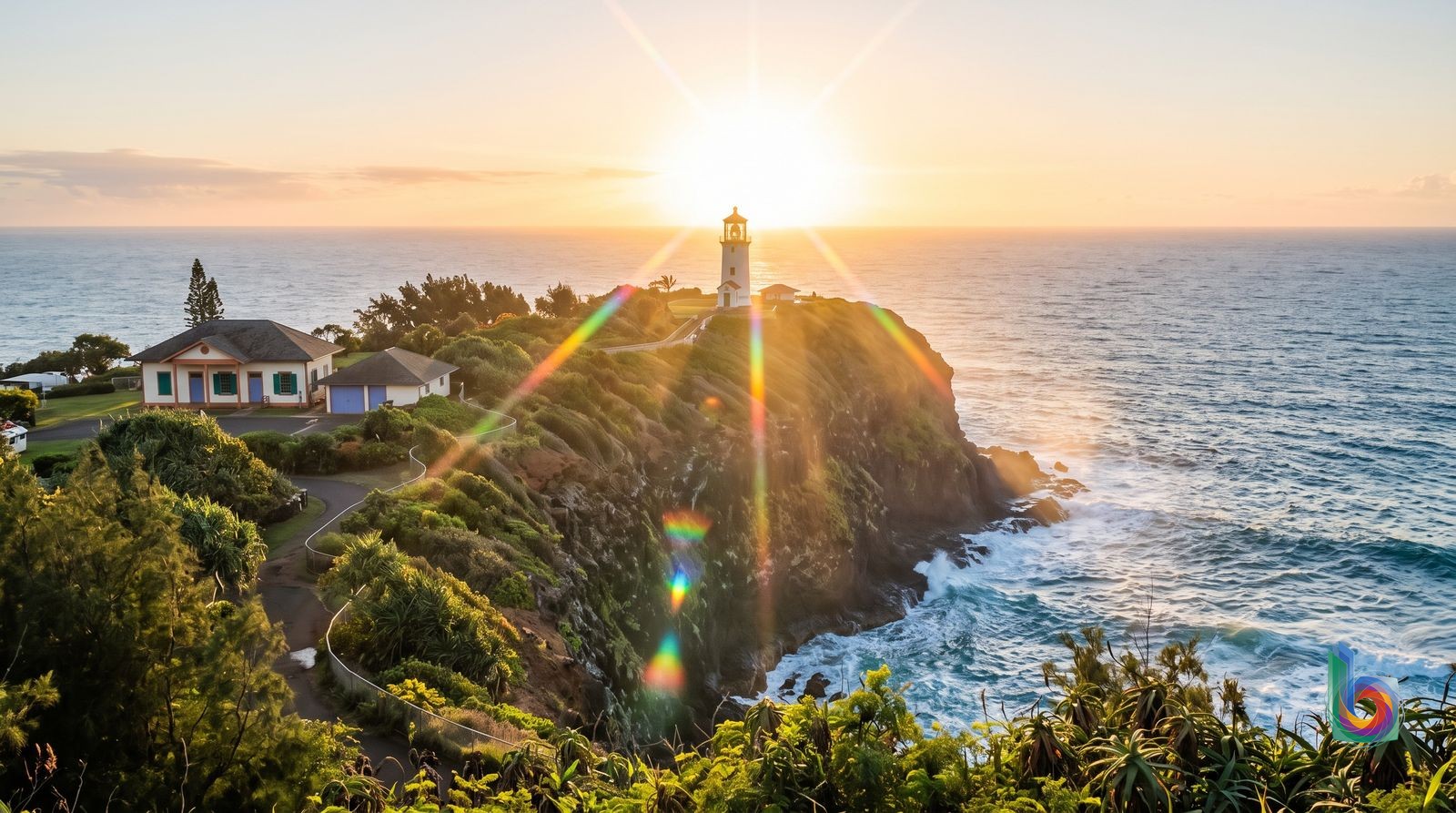
First visit? Stay in Volcano Village.
For a Kīlauea-focused first visit, Volcano Village minimizes the friction of reaching Hawaiʻi Volcanoes National Park repeatedly while still providing enough lodging and dining to make weather and eruption-access changes manageable.
luxury →
Luxury here means the best available small lodge or private-cottage experience in a rainforest setting, not a large beach-resort district; it is still the closest comfortable base for the park.
value →
Hilo generally offers the broadest practical range of services and accommodation, with the trade-off of a longer drive to the park.
family →
It makes short park days, rest breaks, and another attempt after bad weather much easier than commuting from Hilo.
nightlife →
Neither area is a nightlife destination, but Hilo is the only listed base with a meaningful choice of evening meals and town activity.
quiet →
It is close to the park but more residential and secluded than Hilo, provided everyone is comfortable driving for meals and supplies.
rail-day-trips →
Hawaiʻi Island has no passenger rail, so this traveler type should not plan rail day trips. Hilo is the least isolating base for car-based east-side excursions and services.
return-visitor →
A repeat visitor with time and a rental car may value Puna’s lava-country coast and less conventional atmosphere, while accepting that it is inefficient for daily summit visits.
Avoid sleeping near Kīlauea Summit and Halemaʻumaʻu: Do not plan to sleep inside the summit sightseeing zone: services are minimal, conditions and access can change with volcanic activity, and it is a visit area rather than a flexible lodging base.
Avoid sleeping near Chain of Craters Road: This is a scenic park road, not a lodging neighborhood. It is exposed, long, and has very limited services; use it as a day trip from Volcano Village or Hilo.
Avoid sleeping near Kīlauea Iki and Nāhuku trailhead area: The trail network is excellent for walking but has no neighborhood infrastructure for sleeping, dining, or changing plans after weather or closures.
Avoid sleeping near Puna and Kalapana: Avoid it for a short first Kīlauea trip: it is atmospheric but too far and too dispersed to make repeated, short-notice national-park visits easy.
The neighborhoods
Pick the areas you want to be around — the hotels and tables below narrow to them.
Placing the neighborhoods on the map…
Stay here Fine base Visit, don't sleep
Volcano VillageFirst-timer default
Rainforest base beside the park
This is the practical village outside Hawaiʻi Volcanoes National Park: scattered lodges, cottages, a few restaurants and supply stops threaded through wet forest rather than a walkable town center. It is the sensible place to sleep for repeated dawn, night, and weather-dependent park visits.
Vs. others: Pick Volcano Village over Hilo if Kīlauea and the national park are the point of the trip; pick Hilo if you want more dining, services, and an actual town after dark.
There is no rail or metro. A rental car is the realistic way to use this as a base; the park entrance is a short drive, but lodging, meals, and trailheads are not reliably walkable from one another.
Best for: first-timers, families, quiet, foodies, return-visitor
It is very wet and can feel chilly, dim, and isolated after dark. · There is little nightlife and limited late-night food. · It is not a beach base, and volcanic activity never guarantees visible lava from nearby lodging.
See hotels in Volcano VillageKīlauea Summit and HalemaʻumaʻuAcceptable base
The volcano’s dramatic active core
The summit caldera area is where visitors come for Halemaʻumaʻu, the current episodic eruption activity, overlooks, and the strongest sense of being inside an active volcanic landscape. The December 2024 eruption has continued episodically inside the crater into late 2026, but viewing conditions and access can change quickly with activity, weather, and closures.
Vs. others: Pick Kīlauea Summit and Halemaʻumaʻu over Chain of Craters Road if eruption viewing and crater-scale scenery matter most; pick Chain of Craters Road if you want a long scenic drive and coastal geology.
No rail or local urban transit serves the summit. Drive to designated park parking and use the open paved paths and overlooks; the Kīlauea Overlook eruption-viewing site is about 2.5 miles, or roughly seven minutes by car, from the visitor-center area according to NPS.
Best for: first-timers, families, photographers, return-visitor
Access, trails, and overlooks can close without much notice because this is an active volcano. · Crowds concentrate at accessible overlooks when lava is visible. · Night visits require patience, warm rain gear, and careful driving; conditions are often cloudy or wet.
See hotels in Kīlauea Summit and HalemaʻumaʻuKīlauea Iki and NāhukuVisit, don't sleep
Forest, lava lake, classic hike
This is the park’s most approachable hiking zone: rainforest, the Nāhuku lava tube, and the Kīlauea Iki crater trail make it a better daytime wander than an eruption-chasing base. It is the place to understand how quickly the landscape changes from lush forest to black lava.
Vs. others: Pick Kīlauea Iki and Nāhuku over the summit overlooks if you want a proper hike and forest contrast; pick Kīlauea Summit and Halemaʻumaʻu if you have limited time and want the best chance of seeing current crater activity.
A car is needed to reach the trailheads from Volcano Village or elsewhere. Once parked, this is a walking area, but it is not a lodging district and trail conditions can change.
Best for: families, first-timers, quiet, return-visitor
The crater hike is exposed, uneven, and can be muddy after rain. · Nāhuku and nearby parking can be busy at peak daytime hours. · There are no services or meaningful accommodation choices here.
See hotels in Kīlauea Iki and NāhukuChain of Craters RoadVisit, don't sleep
Lava landscapes to the coast
This is a destination drive through successive lava flows, old eruption terrain, and changing elevation toward the coast. Treat it as a slow park day rather than a district with a village center: its appeal is the road and stops along it, not shopping or nightlife.
Vs. others: Pick Chain of Craters Road over Kīlauea Iki and Nāhuku if you prefer a self-paced scenic drive; pick Kīlauea Iki and Nāhuku if you want to spend the day on foot in rainforest and crater terrain.
There is no public rail or shuttle network that makes this practical. Drive it from Volcano Village or the summit, allow time for stops, and check park conditions before setting out.
Best for: first-timers, families, photographers, quiet, return-visitor
It is long, exposed, and has very limited food, water, and fuel options along the route. · Weather can shift sharply between the summit and coast. · Road sections and pullouts may close with volcanic or weather conditions.
See hotels in Chain of Craters RoadVolcano Golf and Country Club areaExcellent base
Quiet lodging near the gate
South and southwest of Volcano Village, this is a dispersed residential-and-lodging area rather than a village you wander. It can work when you want space and proximity to the park without paying for the limited inn inventory closer to Volcano Village.
Vs. others: Pick the Volcano Golf and Country Club area over Volcano Village if quiet space and a more residential feel matter more than being closest to the village’s restaurants; pick Volcano Village if you want the most convenient local dining and park-oriented services.
A rental car is essential. It is a short drive to the national-park entrance, but there is no useful rail, metro, or walkable commercial strip.
Best for: families, quiet, value, return-visitor
It can feel isolated, especially in rain or after dark. · Dining and groceries mean driving. · Accommodation quality varies considerably because this is not a concentrated hotel district.
See hotels in Volcano Golf and Country Club areaHiloExcellent base
Real town, east-side services
Hilo is the nearest substantial town for restaurants, groceries, museums, waterfront walks, and a broader range of accommodation. It is a better all-round east-side base than Volcano for travelers who want town life, but it is not next door to Kīlauea; park days require a committed drive each way.
Vs. others: Pick Hilo over Volcano Village if meals, services, and evening options matter more than immediate park access; pick Volcano Village if you plan multiple dawn, dusk, or eruption-condition visits in Hawaiʻi Volcanoes National Park.
There is no passenger rail on Hawaiʻi Island. Hilo is more walkable than Volcano around its central and waterfront areas, but a rental car remains necessary for Kīlauea and most island sightseeing.
Best for: value, families, foodies, nightlife, rail-day-trips
The drive to the Kīlauea summit makes spontaneous night viewing inconvenient. · Rain is a normal part of the east-side experience. · It is a working town, not a polished resort zone; accommodation locations vary widely in convenience.
See hotels in HiloPāhala and KaʻūAcceptable base
Rural south-island alternative
Pāhala and the wider Kaʻū side offer a quieter, more rural approach to the park and the island’s southern landscapes. This is for travelers who prefer open roads and a local, lightly developed setting over the convenience of Volcano Village or Hilo.
Vs. others: Pick Pāhala and Kaʻū over Hilo if solitude and the south side fit your route; pick Hilo if you need dependable restaurant choice, shopping, and a fuller range of lodging.
No rail serves Kaʻū, and public transport is not a practical way to assemble a Kīlauea itinerary. Drive to the park and plan fuel, food, and timing rather than assuming services will be close.
Best for: quiet, return-visitor, families, budget
Services are sparse and distances feel longer than on a city map. · It is not as convenient as Volcano Village for repeated summit visits. · The rural quiet can become inconvenient if weather, road conditions, or park closures force a change of plans.
See hotels in Pāhala and KaʻūPuna and KalapanaAcceptable base
Raw lava coast, long detour
Puna and Kalapana are for the island’s raw east-coast lava landscapes and a slower, more improvised road-trip feel—not for convenient access to the Kīlauea summit. The area’s identity has been repeatedly reshaped by eruptions, so visitors should approach it with respect for changing roads, private property, and community recovery.
Vs. others: Pick Puna and Kalapana over Volcano Village if lava-country coastal atmosphere and a less conventional stay matter more than park convenience; pick Volcano Village if Hawaiʻi Volcanoes National Park is your daily priority.
There is no rail. A car is required, and it is a separate east-side drive from the national-park summit rather than a walkable extension of it.
Best for: return-visitor, quiet, photographers, budget
Road access and landscape conditions can change after volcanic events. · Dining, shopping, and lodging are dispersed. · The distance to the summit makes it a poor choice for chasing short-notice eruption viewing.
See hotels in Puna and Kalapana